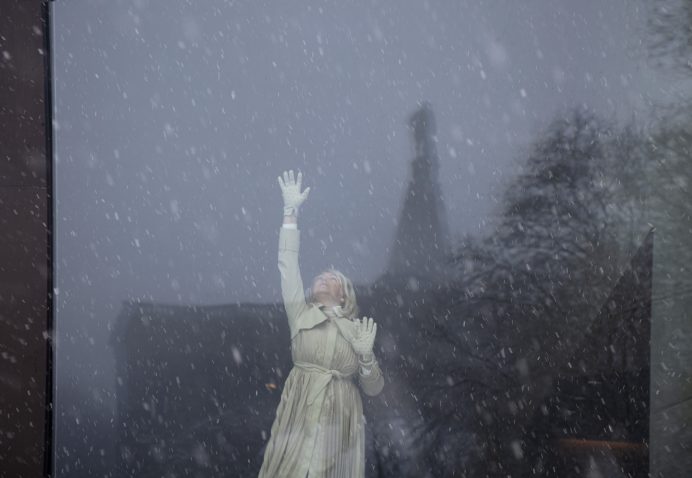

PHILOSOPHERS, The Lotus Chronicles
Amidst the complex patriarchal structures of contemporary India, the country boasts a long history of women who have shown unwavering courage in defying societal norms. These indomitable Indian women have not only challenged the existing status quo but have also persistently fought for their rightful place in society. While women are generally overlooked in philosophy, our questions remain surprisingly universal. Who am I? Questions about the meaning of life, the nature of reality, knowledge, and the self affect us all. Yet, the answers reveal a glaring lack of female perspectives.
This series of photographs highlights Indian women who have bravely tackled issues such as political representation, workplace sexual harassment, dowry, and rape in their writings. This enlightening project brings their concerns to the forefront by visualizing and doubling their personas alongside titles of works by female thinkers, reformers, and activists. The title of the work, ‘PHILOSOPHERS, The Lotus Chronicles’, presents a new concept of identity using Indian culture and knowledge as a catalyst. This project emphasizes the historical presence and absence of women to transcend discursive Western modes of thought and propose a new visual language of thinking.